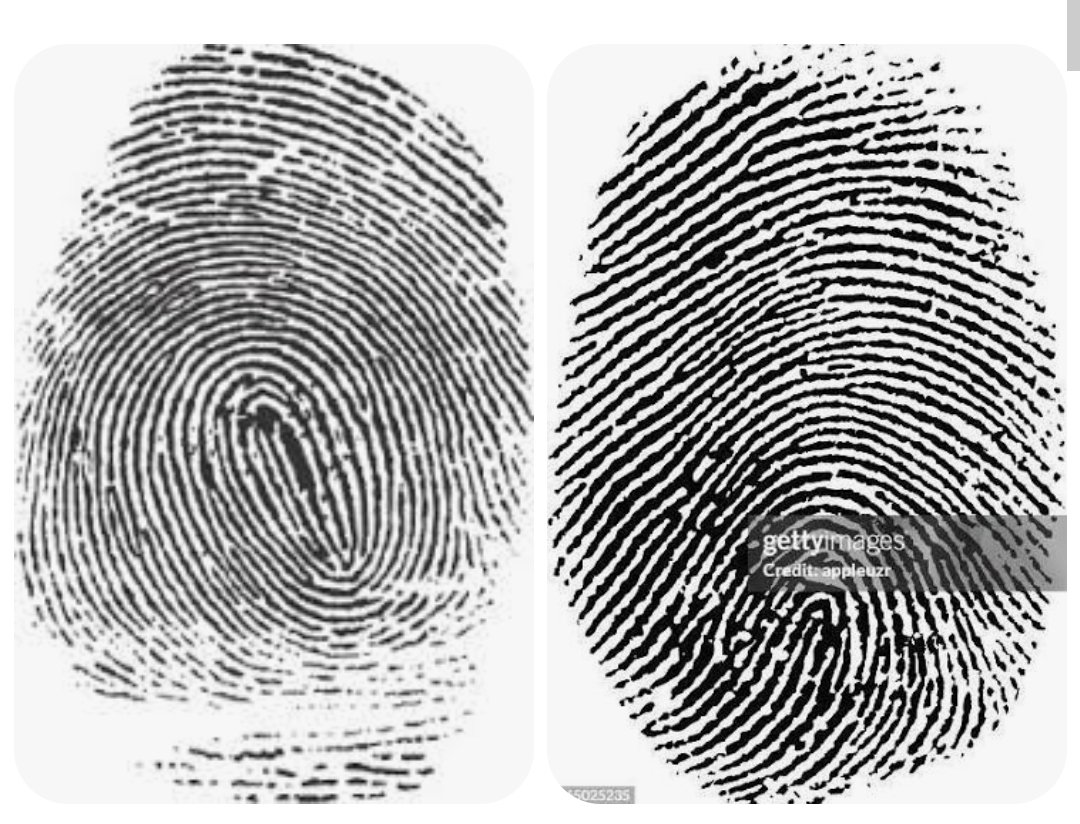
Finger Prints Comparison
24 July 2026
Fingerprint Identification
Fingerprint Identification definition
Fingerprint identification is a biometric technique that leverages the analysis and comparison of distinct friction ridge patterns on an individual’s fingertips. By utilizing algorithms and mathematical models, this method accurately establishes and verifies the identity of the individual based on their unique fingerprint characteristics.
What Is Fingerprint Identification?
Fingerprint identification is a multifaceted process that involves the analysis, comparison, and interpretation of the unique patterns present on an individual’s fingertips. These patterns, known as fingerprint minutiae, are formed by the raised ridges and furrows on the skin’s surface, creating a distinctive pattern that remains stable throughout a person’s life.
Fingerprint identification is widely utilized in various domains, including forensic science, law enforcement, and biometric authentication systems. Its applications range from criminal investigations and suspect identification to access control and secure identification of individuals in government and banking sectors. Due to the uniqueness and permanence of fingerprints, this method has proven to be a reliable and effective means of establishing personal identity.
How Does Fingerprint Identification Work?
Fingerprint identification has been a crucial tool in forensic science and biometric identification for over a century. By leveraging the unique patterns on an individual’s fingertips, this method accurately establishes personal identity.
Capture an Image
The process begins by capturing an image of an individual’s fingerprints. Specialized devices, such as fingerprint scanners or ink and paper, are used for this purpose. The scanner or ink captures the image of the raised ridges and furrows that create distinct patterns on the skin’s surface. This raw image forms the basis for further analysis.
Enhancement Process
Once the fingerprint image is captured, it undergoes enhancement processes. These techniques aim to improve the clarity and contrast of the ridges, making them more visible and easier to analyze. Enhancement algorithms are applied to optimize the image and ensure that essential details are not lost.
Feature Extraction
In this step, the key features of the fingerprint are identified and extracted from the enhanced image. These features include ridge endings, bifurcations (where ridges split), and ridge crossings. Each person’s fingerprint has a unique combination and arrangement of these features. The extraction process creates a digital representation called a fingerprint template, which serves as a condensed form for subsequent analysis.
Comparison
The fingerprint template obtained from the previous step is then compared to a database of existing fingerprints. This comparison is carried out using advanced algorithms and computational techniques. The algorithms analyze and calculate the similarities and differences between the extracted features in the template and those stored in the database. The goal is to find potential matches that indicate the presence of the same individual in both the captured fingerprint and the database record.
Fingerprint Identification
If a match is found during the comparison process, it indicates a high probability of the same person’s presence in both the captured fingerprint and the database record. Identification is made based on this match. However, it is essential to note that the identification process considers various factors, including image quality, complexity of the pattern, and expertise of the system or personnel involved. Quality control measures and multiple image captures are often employed to ensure accuracy and reliability.